

Natural Gas Infrastructure Contractor & Services
Canyon Pipeline is a trusted natural gas infrastructure contractor, delivering safe and sustainable natural gas infrastructure services to utilities and municipalities. From horizontal directional drilling (HDD) trenchless crossings and regulator station installations to integrity programs and rapid emergency response, our teams bring field-tested execution and uncompromising safety and quality. As part of Centuri, a NYSE listed company supporting energy networks across the U.S. and Canada, we’re backed by the strength and scale of a broader organization.
Learn More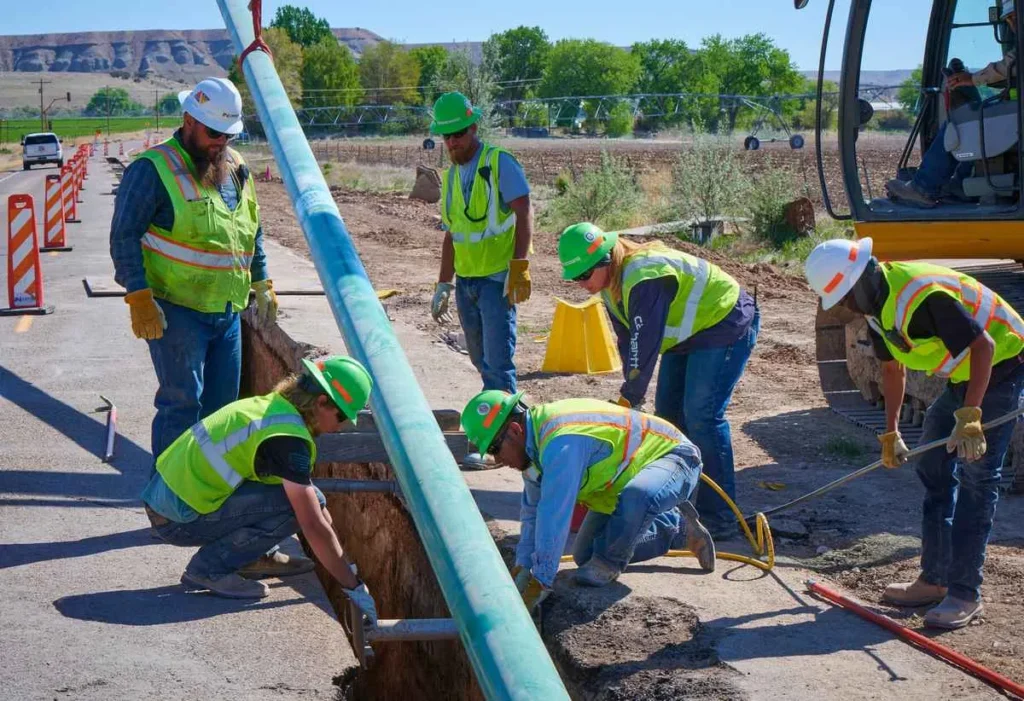
Why Choose Canyon Pipeline?
- Long-term utility partnerships built on predictability, transparent reporting, and accountable delivery. For example, we have been an instrumental partner to the largest natural gas provider in Utah since 2006.
- Quality controls and standardized procedures that reduce rework and speed turnover.
- As a Centuri company, we have geographic reach with mobile crews, underground utility construction specialists, and station teams capable of working urban cores and sensitive corridors.
- Team performance driven by look‑ahead planning, constructability reviews, and proactive change management.
- A spirit of innovation and continuous improvement that scales proven methods. The Canyon Special Projects team drives innovation for alternative solutions unique to customers. This team focuses on complex, time-critical projects that demand concentrated planning and cross‑disciplinary expertise.
Our Services: Comprehensive Infrastructure Solutions
We deliver full‑scope natural gas infrastructure services, from pre‑construction through closeout.
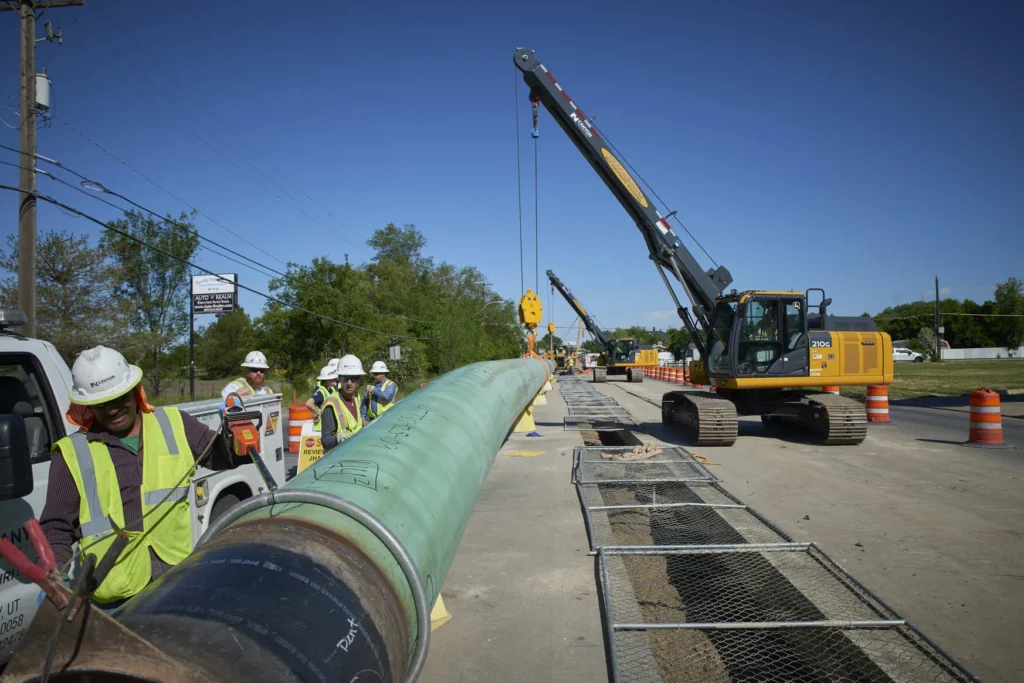
Natural Gas Infrastructure
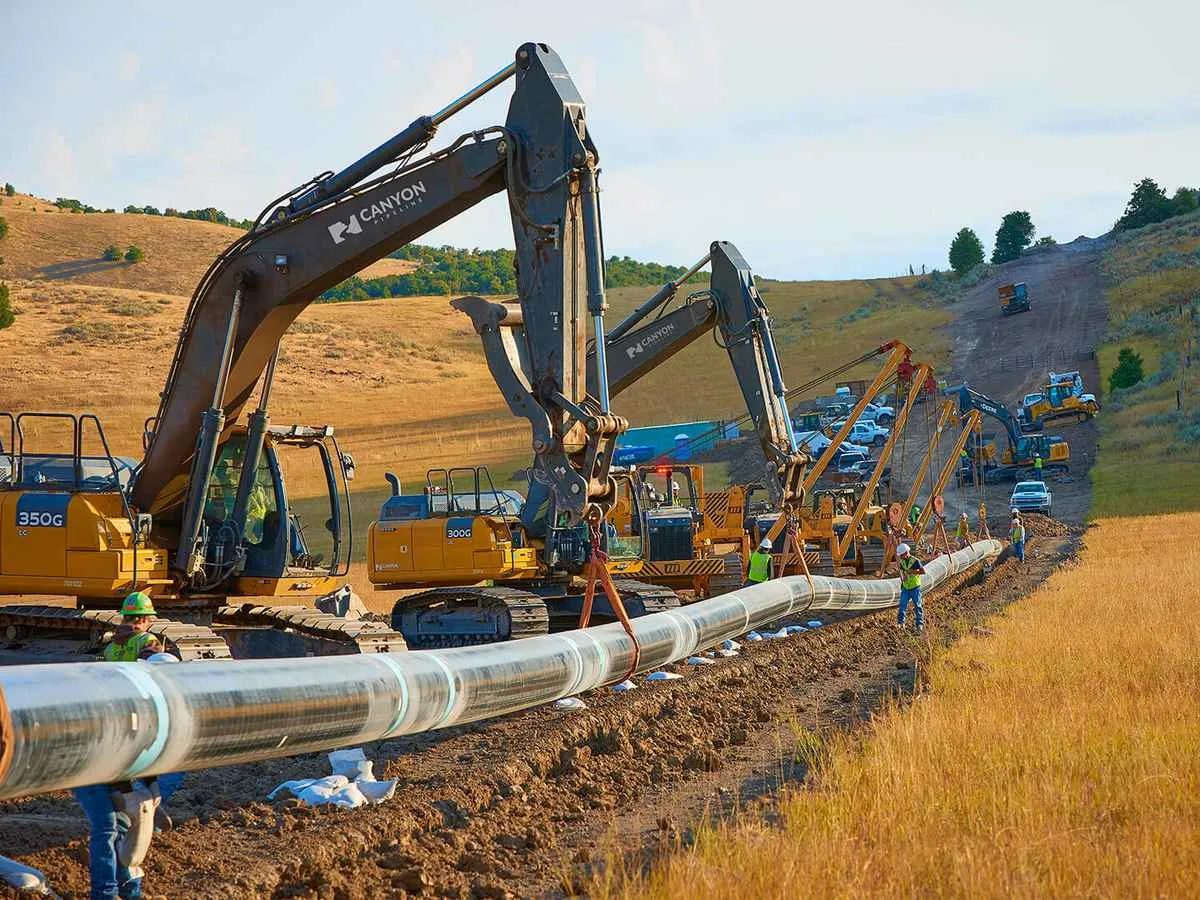
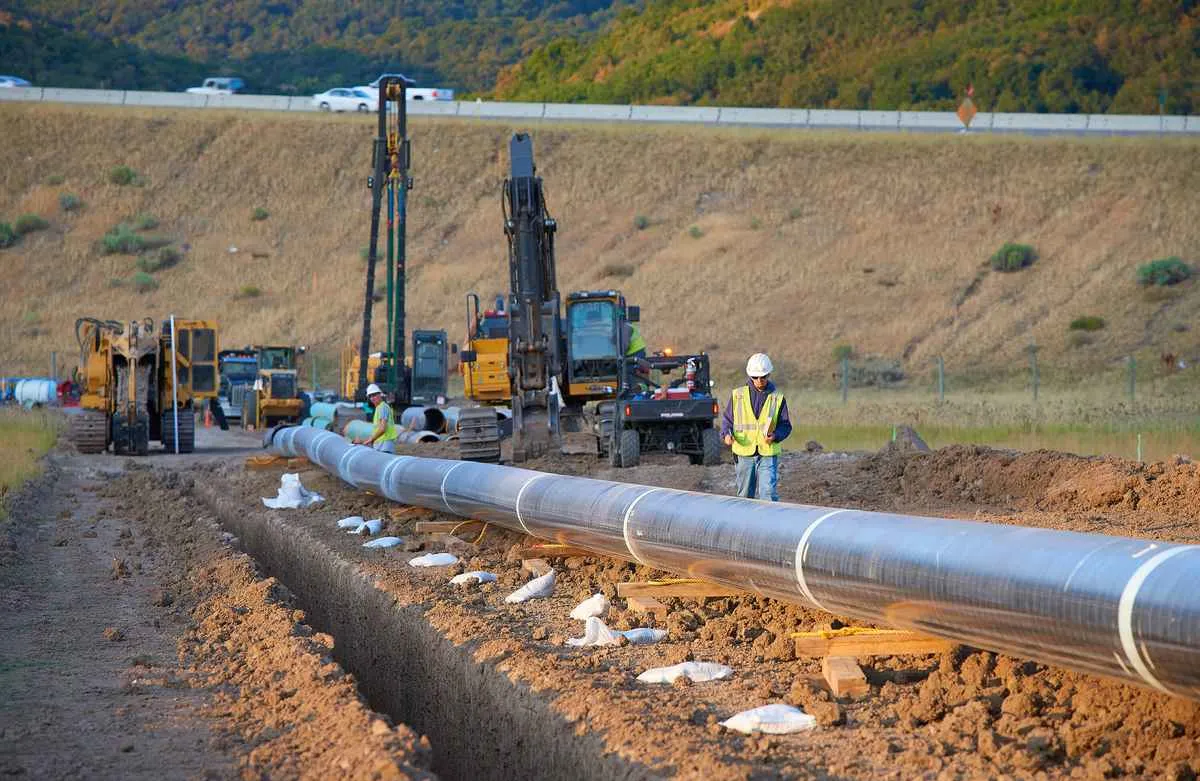
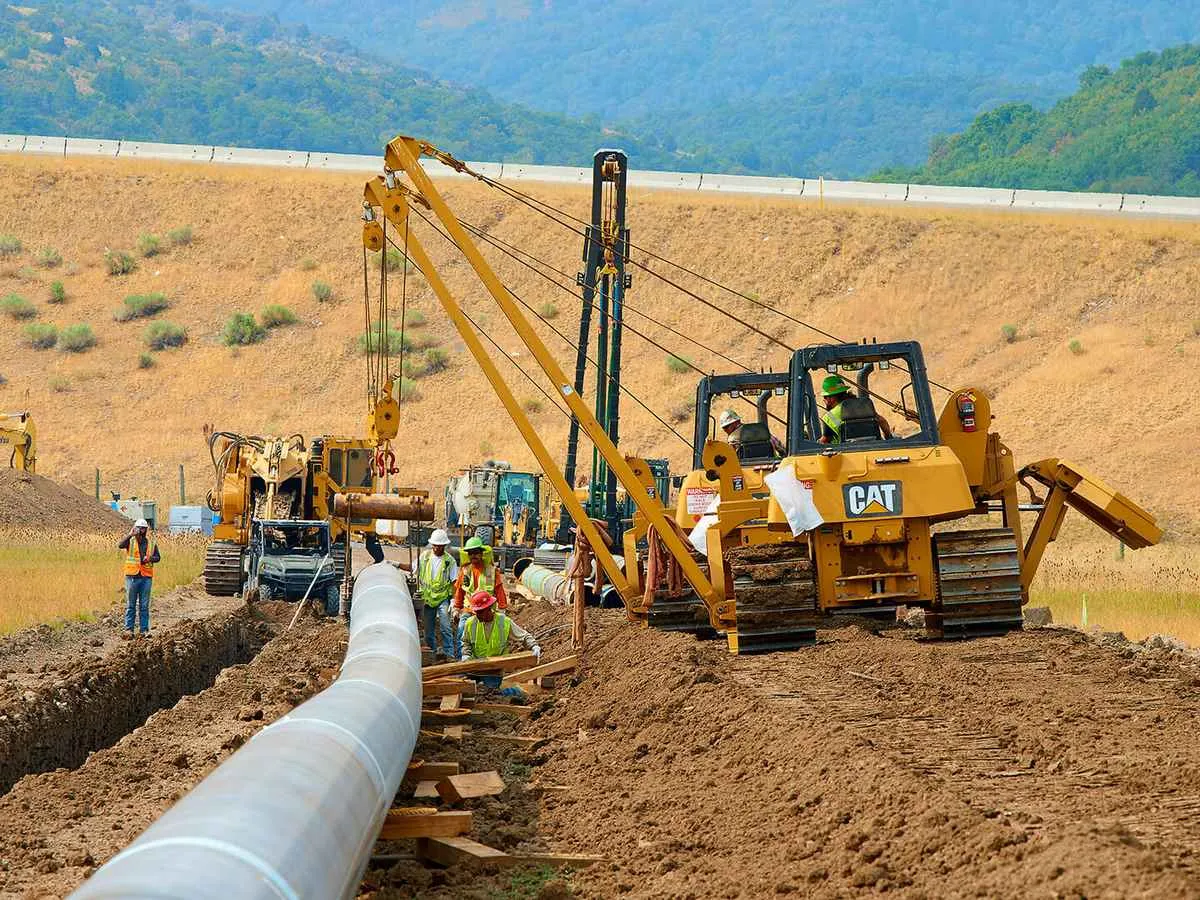
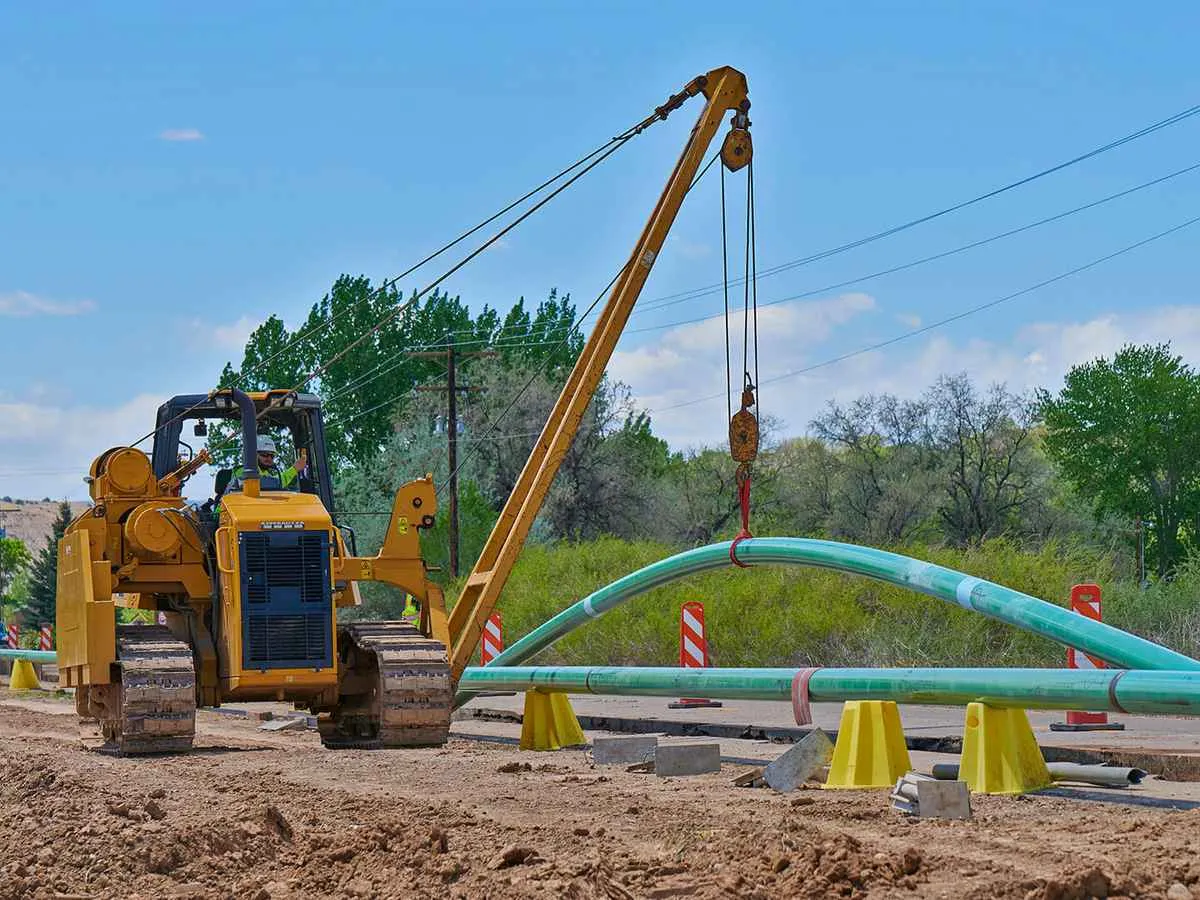
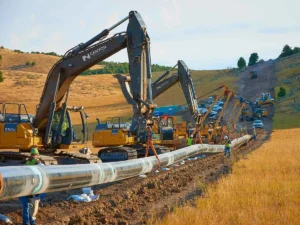
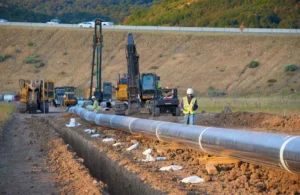
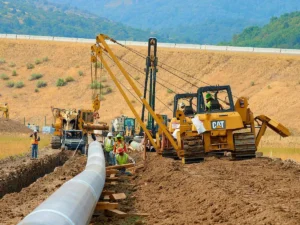
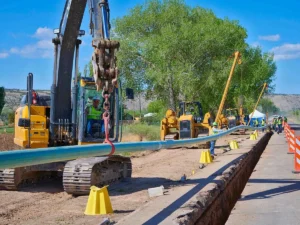
Our natural gas capabilities include distribution, transmission, high-pressure steel, intermediate high-pressure pipe, HDD and auger drilling, pipeline integrity, fabrication, project management, storage field construction, facility construction distribution, and regulator station installation. In distribution and pipeline construction, our crews perform civil works, build new high-pressure natural gas pipes, replace and relocate mains, and perform uprates. Station teams execute regulator and compressor installations. Beyond pipeline installation, we offer pressure testing, cathodic corrosion protection systems, and commissioning with complete documentation. Canyon also minimizes surface disruption while future-proofing communities, including the use of horizontal directional drilling (HDD). Additional services include milling and paving, traffic control, revegetation, restoration, and trench safety.
Emergency Response & Storm Restoration
In 2024 alone, there were twenty-seven weather and climate disasters exceeding $1 billion (Smith, 2025). Canyon Pipeline is the right partner in weather-related disruptions as we give our customers the resources and reassurance they need regardless of when or where they need them. By planning for the unknown – weather, damage, or other incidents – Canyon is prepared to take action 24/7/365. Quick mobilization of crews and equipment, along with rapid assessment and restoration within hours, helps you meet the challenge. With the right people, equipment, and compassion for the situation, Canyon helps set things right so life can return to normal as soon as possible.
Innovation & Safety
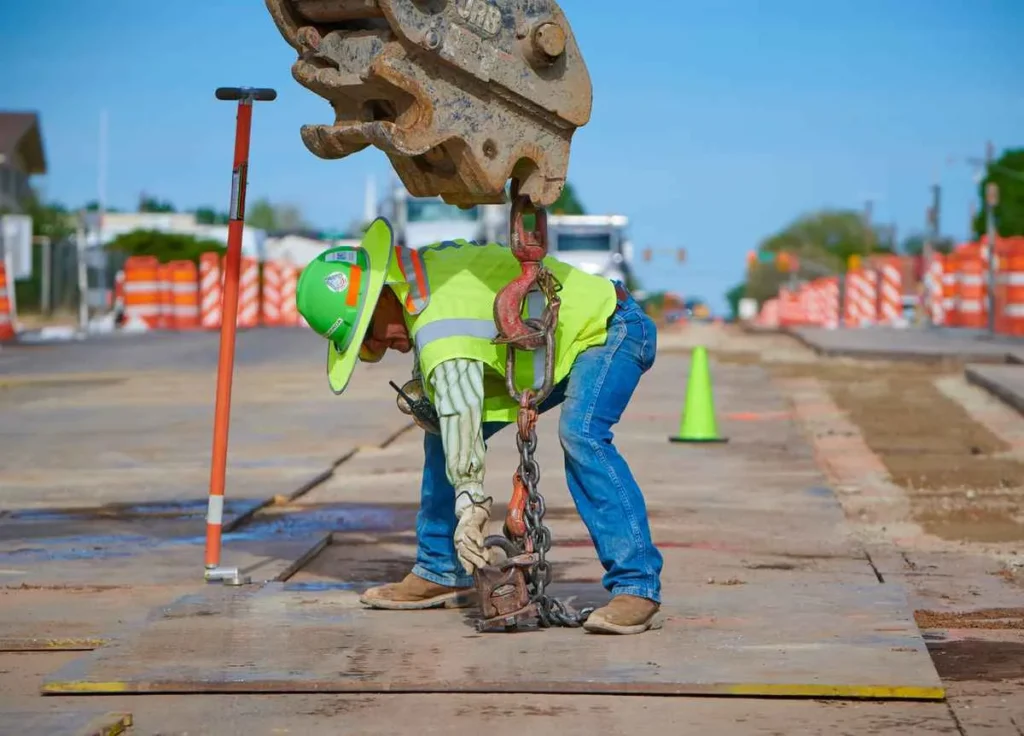
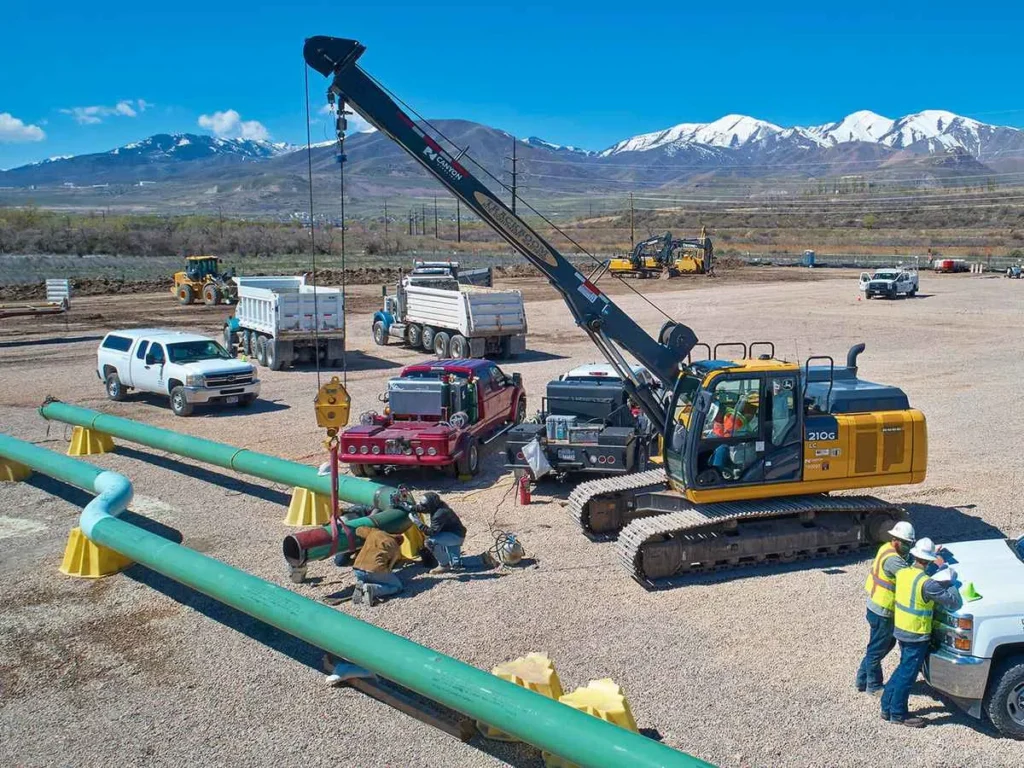
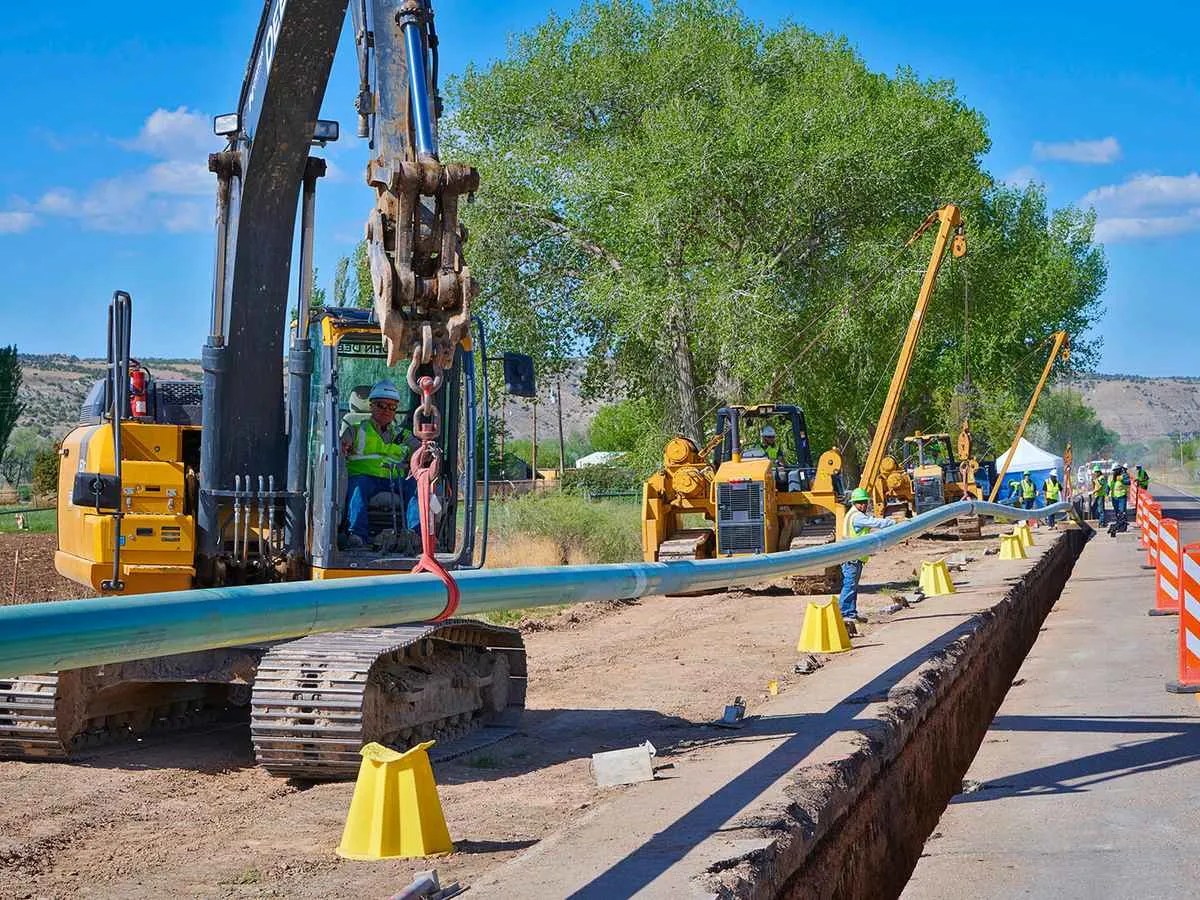
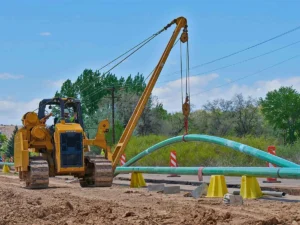
We develop and adopt practical innovations that reduce risk and total installed cost. Proprietary handling tools—our safety hook is one example—lower manual handling and pinch‑point exposure. Our John Deere 210 track‑boom adaptation improves control in congested spaces. For uncompromising safety and quality, our standardized pipe‑cleaning method streamlines pigging and testing, improving cleanliness and accelerating test readiness.
Sustainability & Future‑Ready Infrastructure
At Canyon, we deliver sustainable infrastructure services to communities with a steadfast commitment to people and the environment. We invest in role‑specific training and cultivate a culture of inclusion supported by subcontractor, employee, and supplier diversity to strengthen local economies. Beyond investing in our people, Canyon upholds environmental stewardship across our operations. Our planning protects waterways, habitats, air quality, and communities through erosion control, spill prevention, the elimination of excess gas venting into the atmosphere, and prompt restoration.
Safety & Quality Assurance
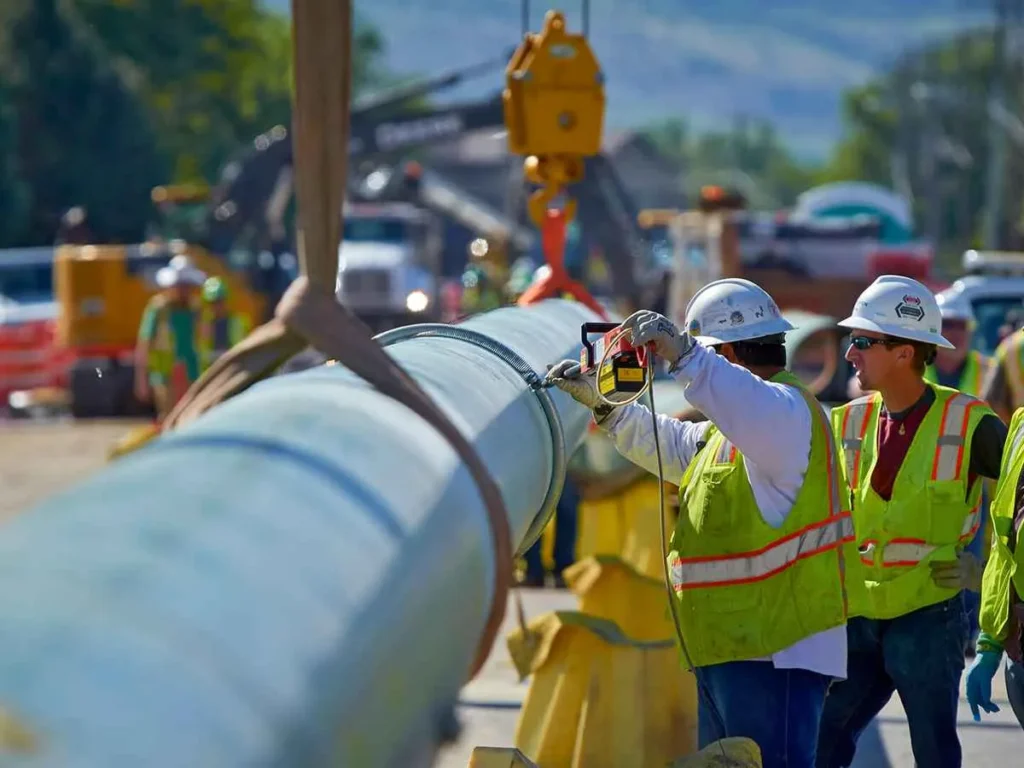
At Canyon Pipeline, safety is our first metric of success. Through our Think SAFE visits and activities, leaders conduct safety awareness, while behavior‑based observations by crews reinforce safe choices. We track leading indicators—not only incident rates—so we can intervene early. Our quality program governs material traceability, weld inspection, and pressure testing, with procedures aligned to ISO 9001 and API RP1173 – Pipeline Safety Management. Our overhead line safety protocol follows a four-step playbook: identify hazards, de-energize and ground where feasible, plan and maintain required clearances, and use trained spotters and protective measures. We also emphasize Enbridge’s seven Lifesaving Rules, which focus on high-risk, high-consequence exposures, including ground disturbance, isolation of energized systems, hazard management, confined space entry, and driving safety.
Canyon Traffic Control
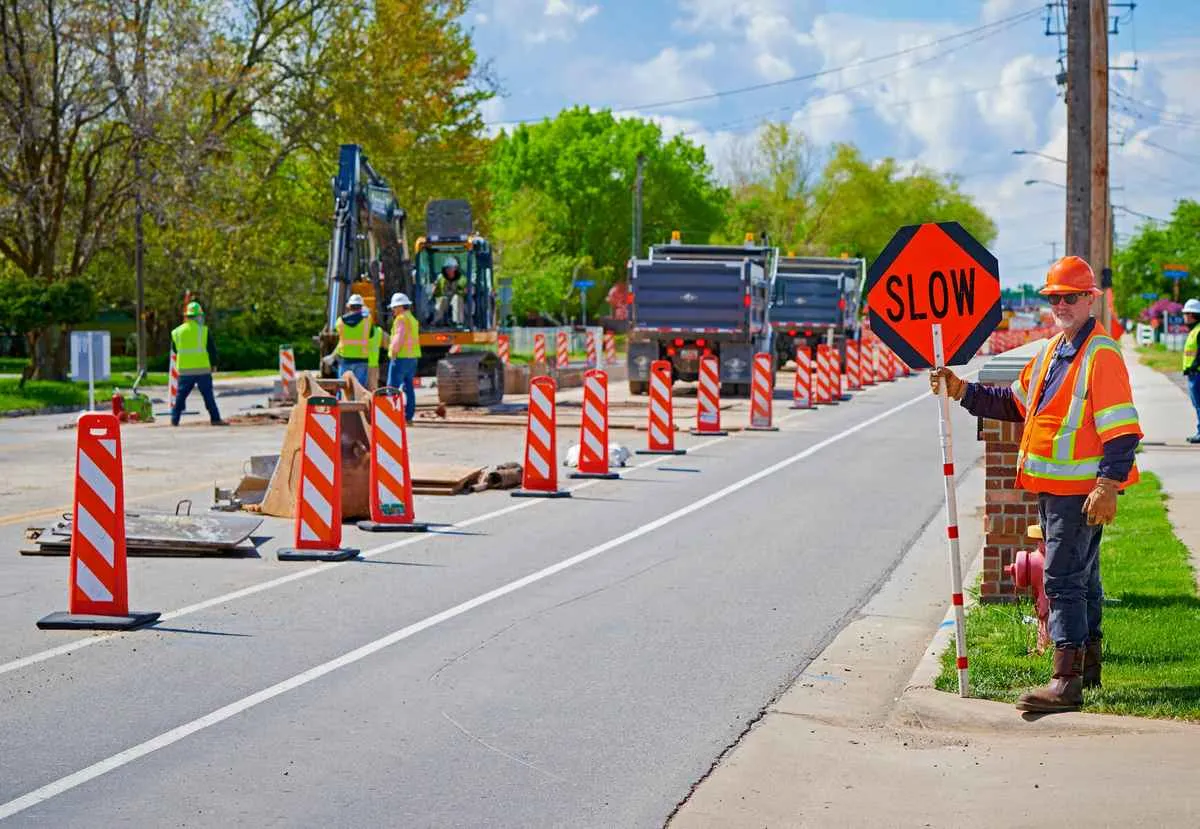
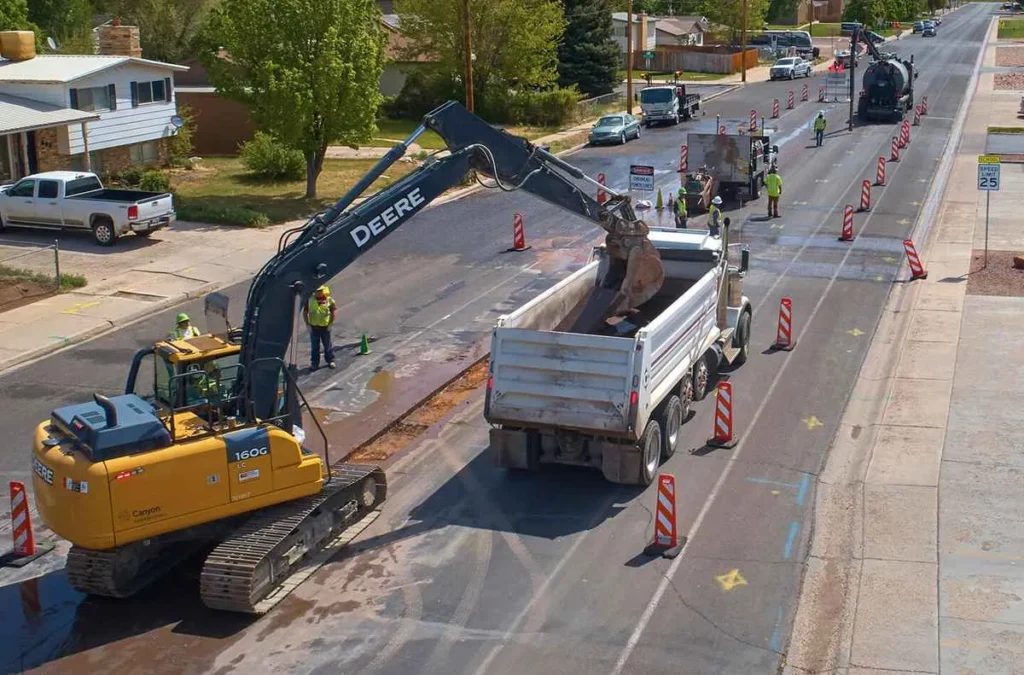
Traffic control is integrated, not bolted on. Our teams prepare Maintenance of Traffic (MOT) plans, coordinate with municipalities, set up certified flagging, and manage barriers and detours to ensure construction can progress while communities continue to operate. Keeping traffic control in‑house reduces interfaces, compresses schedules, and improves cost and quality outcomes.
Client Success & Long‑Term Partnerships
Canyon Pipeline has a proven track record of successfully implementing natural gas infrastructure services projects. For example, our established 19-year alliance has delivered over a million feet of pipe across replacement and expansion programs.
Talk to an Expert
Are you searching for a competent natural gas infrastructure contractor? Request your no‑obligation consultation today and tell us about your scope, schedule, and goals. Canyon Pipeline will mobilize the right team to deliver safely, efficiently, and in full compliance.
| 801.268.0058 Info@CanyonPipeline.com |
1148 Legacy Crossing Blvd Suite 250 Centerville, Utah 84014 |
FAQs
Income and non-DOT Verification
Work Number: 800-367-5690
Code 17887
DOT Employment Verification
Fax DOT Inquiry: 623-879-4217
Phone: 623-582-1235